Piano for Kids Ages 6–12
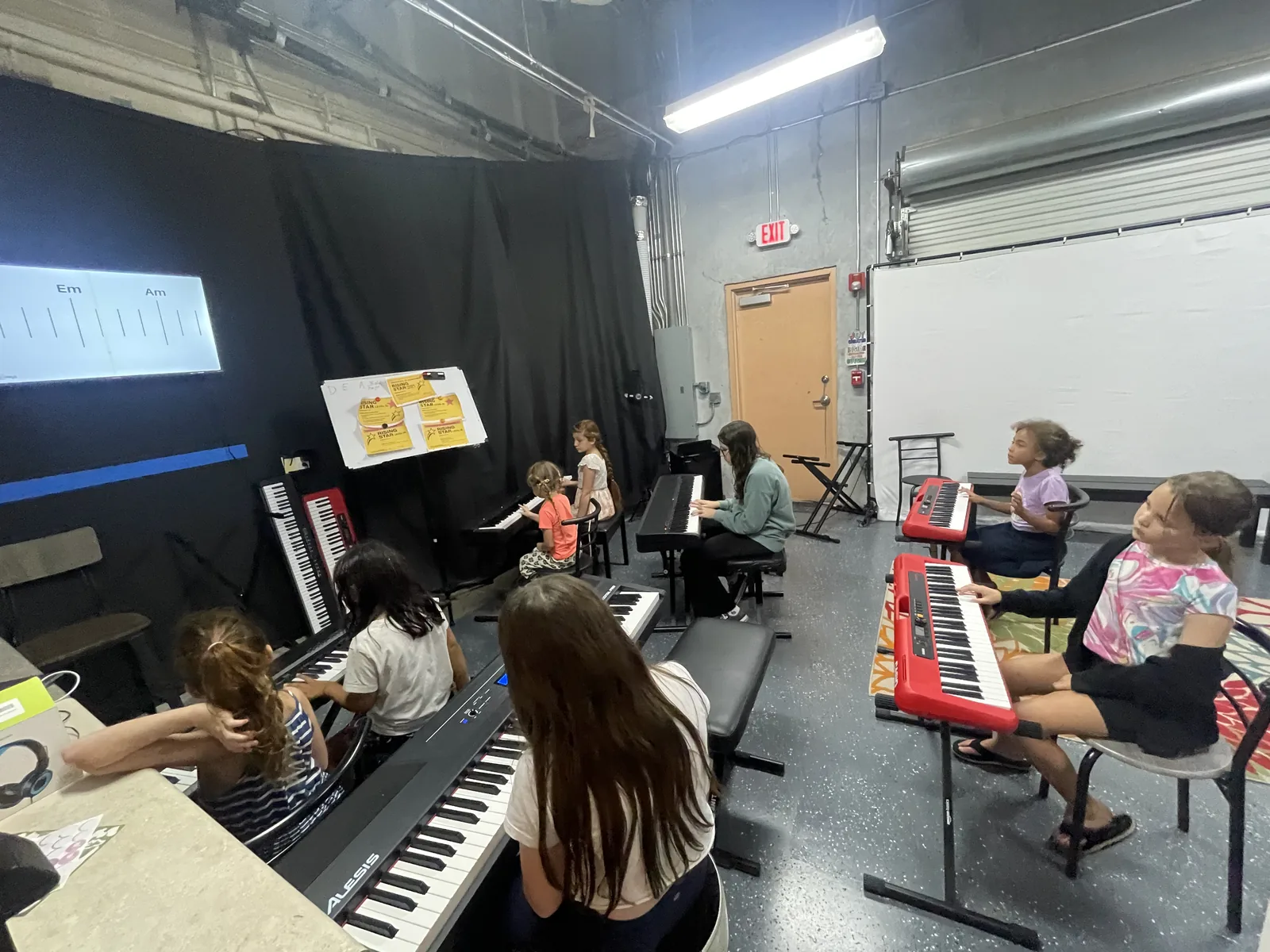
Young pianists build reading, rhythm and keyboard confidence through structured lessons that stay engaging. Practice habits form early, and performance opportunities give the work a purpose.
Explore this program
St. Cloud, Florida
Who it's for
Our piano students are six-year-olds pressing their first keys, teenagers preparing audition pieces, adults finally taking the lessons they always meant to, and homeschool families building fine arts into the week.
Parents usually arrive with the same question: will my child stick with it? Our answer is to make lessons worth showing up to. Instruction is structured enough that students genuinely improve, and encouraging enough that improving feels good. Nobody learns well while dreading the lesson.
No prior experience is needed to begin, and no one is too far along to be challenged. Students are placed by where they actually are, not by age alone.
Curriculum
Lessons are individualized, but the skills below form the backbone of piano study at the studio.
Notation, key signatures and the ability to sit down with new sheet music and make sense of it.
Counting, subdivision and a steady internal pulse — the skill that makes playing with others possible.
Two hands doing different jobs at once, with relaxed, sustainable technique.
The patterns underneath the music, so students understand what they're playing, not just where their fingers go.
Pieces built up over time across styles, from classical foundations to songs students actually want to play.
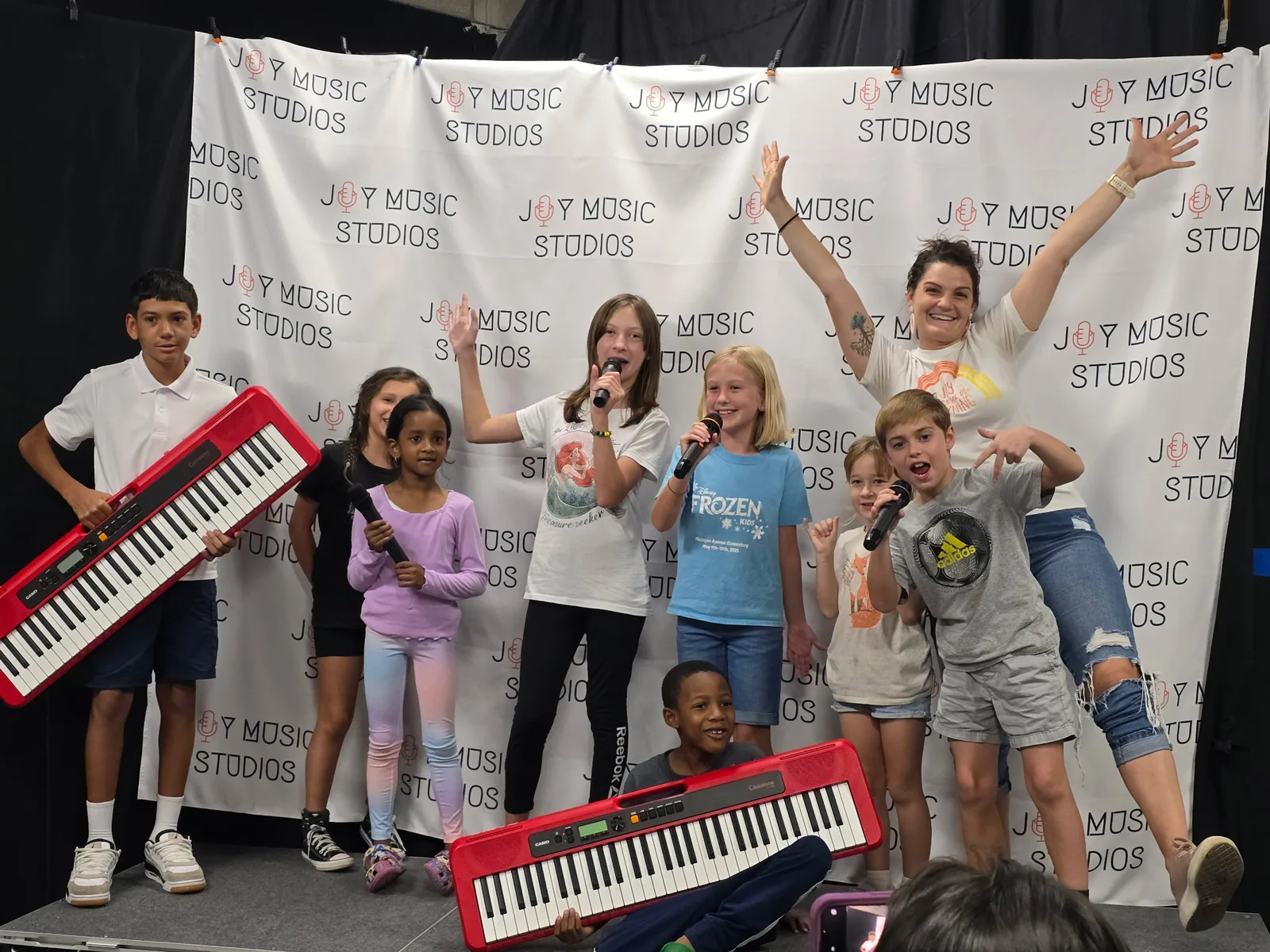
Preparing a piece to the point where it can be played for other people — and enjoying doing it.
Find your path
Piano is taught inside our age-based programs, so students learn alongside peers at a similar stage.
Young pianists build reading, rhythm and keyboard confidence through structured lessons that stay engaging. Practice habits form early, and performance opportunities give the work a purpose.
Explore this programWhether you're starting from zero at 40 or preparing audition repertoire at 16, instruction is built around your goals and the time you actually have to practice.
Explore this programPiano works beautifully as the fine arts component of a homeschool year, with scheduling that fits homeschool families and performance opportunities to work toward.
Explore this programHave a child under six? Traditional piano lessons usually come later — start with Musikgarten and build the musical foundation first.
Why here
Technique is the tool. What students do with it is the point.
A lot of studios can get a student through a method book. We're after something broader: a pianist who can prepare a piece, sit down in front of other people, play it with feeling and keep going when something slips. Skill, confidence, expression and performance experience are developed side by side rather than saved for later.
That's the difference our families notice — students who don't just know their pieces, but want to play them for someone.
FAQ
Come see the studio, meet a teacher and let your student try it before committing to anything.
Piano at Joy Music Studios is taught with confidence and expression built in from the first lesson.